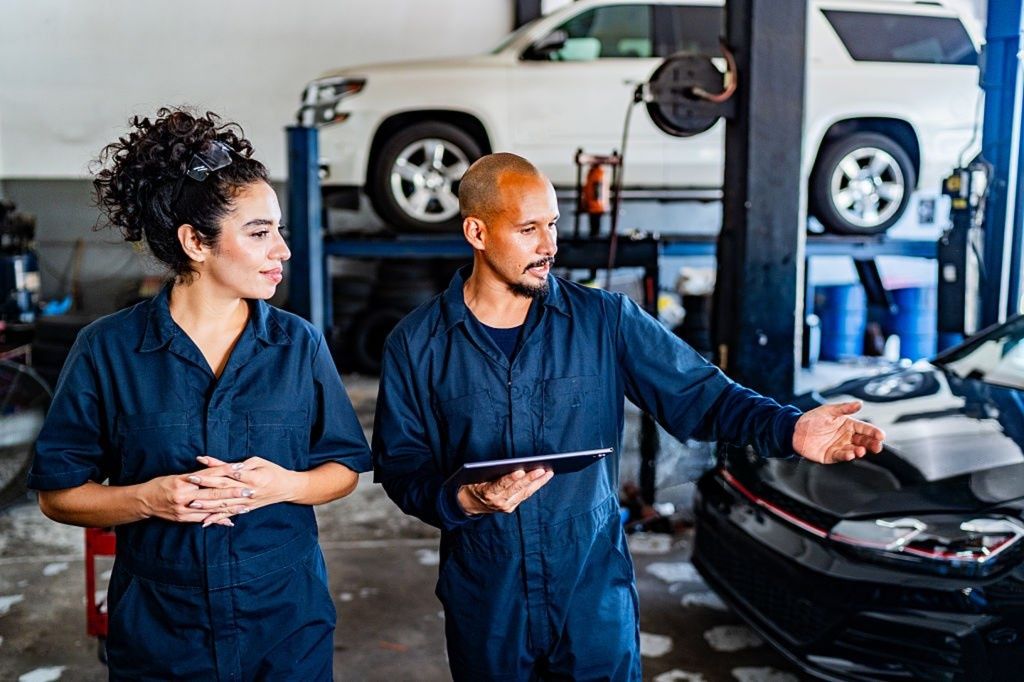
For UK fleet managers, the year 2026 presents a complex set of decisions regarding vehicle upkeep. With evolving regulations, technological shifts, and economic pressures, ensuring fleet operational readiness is more challenging than ever. The fundamental question of whether to maintain vehicles through an in-house workshop or to outsource these critical functions has never been more pertinent. This isn't merely a logistical choice; it's a strategic business decision that impacts everything from operational efficiency and compliance to the bottom line.
The landscape of UK fleet maintenance is undergoing significant transformation. We're seeing a rapid acceleration in the adoption of electric vehicles (EVs), sophisticated telematics systems, and advanced driver-assistance systems (ADAS). These innovations demand new skill sets, specialised equipment, and a forward-thinking approach to servicing. Simultaneously, economic headwinds, including fluctuating fuel prices, inflation, and persistent supply chain disruptions, place immense pressure on budgets. Regulatory bodies, such as the DVSA, continue to tighten compliance requirements, making meticulous record-keeping and preventative maintenance paramount.
Against this backdrop, fleet managers must carefully weigh the merits of establishing and running their own dedicated workshop against the advantages of partnering with external maintenance providers. Each approach carries its own set of benefits and drawbacks, and the optimal solution is rarely a one-size-fits-all proposition. This article delves deep into the efficacy of both models, offering a comprehensive analysis to help UK fleet operators make informed decisions as they navigate the complexities of 2026 and beyond. We will explore the nuances of control, cost, expertise, and flexibility inherent in each strategy, providing a clear framework for evaluating what truly works best for your specific operational needs.
The Evolving Landscape of UK Fleet Maintenance in 2026
The operational environment for UK fleets in 2026 is markedly different from even a few years ago, driven by a confluence of technological advancements, stringent regulatory frameworks, and dynamic economic conditions. Understanding these shifts is the first step in determining the most effective maintenance strategy.
Technological Advancements Reshaping Maintenance
The most significant technological shift is undoubtedly the accelerating transition to electric vehicles (EVs). While EVs promise lower running costs and reduced emissions, their maintenance requirements are distinct. They demand different diagnostic tools, high-voltage safety training for technicians, and a focus on battery health and charging infrastructure rather than traditional internal combustion engine components. Furthermore, the proliferation of sophisticated telematics systems provides a wealth of data on vehicle performance, driver behaviour, and predictive maintenance needs. This data, when properly analysed, can revolutionise maintenance scheduling, moving from reactive repairs to proactive, condition-based servicing. Advanced Driver-Assistance Systems (ADAS), such as lane-keeping assist and automatic emergency braking, also require specialist calibration and repair, often necessitating manufacturer-specific tools and software. These technological leaps mean that a modern fleet workshop, whether in-house or outsourced, must be equipped with cutting-edge technology and highly trained personnel.
Regulatory Pressures and Compliance
UK fleets operate under a strict regulatory regime, and 2026 will see continued emphasis on compliance. The Driver and Vehicle Standards Agency (DVSA) maintains rigorous standards for vehicle roadworthiness, safety, and emissions. Operators must ensure their vehicles pass regular MOT tests, undergo scheduled preventative maintenance inspections, and adhere to specific weight and dimension limits. The increasing focus on environmental sustainability means that even non-EV fleets face pressure to maintain optimal engine performance to minimise emissions. Non-compliance can lead to severe penalties, including fines, vehicle prohibitions, and even the loss of an operator's licence. This regulatory burden necessitates meticulous record-keeping, robust maintenance schedules, and a deep understanding of current legislation, making the choice of maintenance provider a critical factor in mitigating operational risk.
Economic Factors and Operational Pressures
Economically, UK fleet managers are grappling with several challenges. Inflationary pressures continue to impact the cost of parts, labour, and consumables. Fuel prices, while volatile, remain a significant operational expense, pushing many towards more fuel-efficient or electric alternatives. Supply chain disruptions, exacerbated by global events, can lead to delays in acquiring essential parts, increasing vehicle downtime and impacting service delivery. The ongoing shortage of skilled technicians in the automotive sector also drives up labour costs and makes recruitment challenging for in-house workshops. These economic realities demand a maintenance strategy that is not only effective but also highly cost-efficient and resilient to external shocks. The decision between an in-house workshop and outsourced services must therefore consider the total cost of ownership, including direct expenses, administrative overheads, and the often-overlooked cost of vehicle downtime.
The Case for an In-House Fleet Workshop in 2026
For many UK fleet operators, the idea of an in-house workshop holds significant appeal, offering a level of control and customisation that external providers often cannot match. Managing an in-house fleet workshop UK involves a substantial commitment of resources, but it can yield considerable strategic advantages when executed effectively.
Direct Control and Oversight
One of the primary benefits of an in-house workshop is the unparalleled level of control it affords. Fleet managers have direct oversight of every aspect of maintenance, from scheduling and parts procurement to technician training and quality assurance. This means repairs can be prioritised based on immediate operational needs, rather than waiting for external provider availability. For example, if a critical vehicle develops a fault just before a major delivery, an in-house team can often address it immediately, minimising disruption. This direct control extends to the quality of work; managers can implement their own rigorous standards and ensure technicians are intimately familiar with the specific nuances and common issues of their particular fleet vehicles.
Specialisation and Bespoke Solutions
An in-house team can develop deep specialisation in the specific makes, models, and configurations of the fleet. This intimate knowledge allows for more accurate diagnostics, faster repairs, and the development of bespoke preventative maintenance programmes tailored precisely to the fleet's operational demands and vehicle lifecycles. For a construction company operating a highly specialised fleet of plant machinery and heavy goods vehicles, an in-house team can become experts in the unique hydraulic systems, engine types, and regulatory requirements specific to their equipment, leading to more efficient and effective servicing than a generalist external garage might offer. This specialisation can also extend to custom modifications or fabrications that might be difficult or costly to arrange externally.
Immediate Response Times for Critical Issues
When a vehicle breaks down or requires urgent attention, an in-house workshop can often provide an immediate response. This rapid turnaround is invaluable for fleets where downtime directly translates to lost revenue or missed service level agreements. Imagine a refrigerated transport fleet where a cooling unit failure could spoil an entire load; an on-site technician can diagnose and begin repairs far quicker than waiting for a mobile mechanic or towing to an external garage. This agility is a significant operational advantage, particularly for fleets operating in remote areas or those with highly time-sensitive deliveries.
Potential for Long-Term Cost Savings (If Managed Effectively)
While the initial capital outlay for an in-house workshop can be substantial, including premises, equipment, and staffing, there is potential for long-term cost savings. By purchasing parts in bulk, negotiating directly with suppliers, and avoiding external mark-ups on labour, fleets can reduce per-vehicle maintenance costs over time. Furthermore, an in-house team focused solely on the fleet's longevity can implement proactive maintenance strategies that extend vehicle life and reduce the frequency of major, costly repairs. However, these savings are contingent on efficient management, optimal utilisation of resources, and a consistent workload to justify the fixed overheads.
Challenges of Managing an In-House Fleet Workshop UK
Despite these advantages, managing an in-house fleet workshop UK comes with its own set of significant challenges. The capital investment required for a fully equipped workshop, including diagnostic tools, lifts, and specialised equipment for modern vehicles (especially EVs), can be prohibitive. Recruiting and retaining skilled technicians is a constant battle in a competitive labour market, and ongoing training to keep pace with technological advancements is essential and costly. Beyond salaries, there are overheads such as rent, utilities, insurance, waste disposal, and compliance with health and safety regulations. Furthermore, an in-house workshop can struggle with scalability; during peak demand, it might be overwhelmed, while during quieter periods, technicians might be underutilised, leading to inefficiencies. The administrative burden of managing parts inventory, scheduling, and compliance documentation also adds to the operational complexity. For a comprehensive overview of how to streamline your fleet operations, consider exploring solutions that can help manage these complexities effectively. You might find it beneficial to Book A Demo to see how modern fleet management tools can support your in-house efforts.
The Advantages of Outsourced Fleet Maintenance in 2026
Conversely, outsourcing fleet maintenance offers a compelling alternative, particularly for UK fleet managers seeking to reduce capital expenditure, access specialist skills, and focus on their core business operations. The benefits of outsourced fleet maintenance UK are becoming increasingly attractive in the complex operational environment of 2026.
Access to Specialist Expertise and Equipment
One of the most significant advantages of outsourcing is gaining immediate access to a broad spectrum of specialist expertise and state-of-the-art equipment without the need for direct investment. External maintenance providers, especially larger networks, often have technicians trained in specific vehicle manufacturers, EV diagnostics, ADAS calibration, and complex hydraulic or refrigeration systems. They invest heavily in the latest diagnostic tools and workshop equipment, which would be prohibitively expensive for many individual fleets to acquire and maintain in-house. For example, a small to medium-sized delivery fleet transitioning to electric vans might find it far more cost-effective to outsource maintenance to a provider already equipped and trained for EV servicing, rather than investing in new infrastructure and upskilling their own team.
Scalability and Flexibility
Outsourced maintenance offers unparalleled scalability and flexibility. Fleet sizes can fluctuate due to seasonal demand, new contracts, or strategic adjustments. An external provider can easily adapt to these changes, scaling services up or down as required, without the fleet manager having to worry about hiring or laying off technicians, or managing underutilised workshop space. This agility is particularly beneficial for businesses with variable operational demands, allowing them to pay for maintenance services only when they are needed. If a fleet expands rapidly, the outsourced partner can absorb the increased workload seamlessly, ensuring vehicles remain operational without delays.
Reduced Capital Expenditure and Overheads
By outsourcing, fleet operators can significantly reduce their capital expenditure. There's no need to invest in workshop premises, expensive diagnostic equipment, vehicle lifts, or specialised tools. This frees up capital that can be reinvested into core business activities, vehicle acquisition, or technological upgrades. Furthermore, the ongoing operational overheads associated with an in-house workshop – such as salaries, benefits, training, utilities, insurance, and compliance costs – are transferred to the external provider. This shift from fixed costs to variable costs can greatly improve financial predictability and cash flow management, making the cost analysis in-house vs outsourced fleet maintenance UK often lean towards outsourcing for many businesses.
Focus on Core Business Operations
For most businesses, fleet maintenance is a necessary support function, not a core competency. By outsourcing, fleet managers and their teams can redirect their focus and resources towards their primary business objectives, whether that's logistics, sales, or service delivery. This allows the organisation to concentrate on what it does best, improving overall efficiency and strategic alignment. The administrative burden of managing a workshop, including parts inventory, technician scheduling, and compliance paperwork, is offloaded, allowing internal staff to concentrate on optimising routes, managing drivers, and enhancing customer service.
Risk Mitigation (Compliance, Warranties)
Reputable outsourced maintenance providers are typically well-versed in the latest UK regulatory requirements, including DVSA standards, health and safety legislation, and environmental compliance. They bear the responsibility for ensuring maintenance work adheres to these standards, thereby mitigating compliance risks for the fleet operator. Moreover, many outsourced partners have established relationships with vehicle manufacturers, ensuring that maintenance is performed in a way that preserves vehicle warranties. This can be a complex area for in-house teams to navigate, especially with newer technologies and extended warranty conditions. Outsourcing can provide peace of mind, knowing that expert hands are managing these critical aspects.
A Deep Dive into Cost Analysis: In-House vs. Outsourced
The decision between an in-house workshop and outsourced maintenance often boils down to a thorough cost analysis in-house vs outsourced fleet maintenance UK. This isn't just about comparing hourly labour rates; it requires a holistic view of direct, indirect, and hidden costs, alongside the concept of Total Cost of Ownership (TCO).
Direct Costs: A Clear Comparison
In-House Workshop Direct Costs:
Labour: Salaries, National Insurance contributions, pensions, overtime, and benefits for technicians, workshop managers, and administrative staff. This is a significant fixed cost regardless of workload.
Parts and Consumables: Cost of purchasing spare parts, lubricants, tyres, and other consumables. While bulk purchasing can offer discounts, inventory management and obsolescence are additional costs.
Equipment: Purchase and depreciation of diagnostic tools, lifts, specialist EV equipment, hand tools, and workshop machinery.
Facilities: Rent or mortgage for the workshop space, utilities (electricity, heating, water), and property maintenance.
Training: Ongoing investment in technician training to keep pace with new vehicle technologies and regulatory changes.
Outsourced Maintenance Direct Costs:
Service Fees: Agreed-upon rates for labour, parts, and specific services (e.g., scheduled maintenance, breakdown recovery, MOTs). These are typically variable costs, paid per service or through a fixed contract.
Contractual Agreements: Costs associated with Service Level Agreements (SLAs), which define the scope, quality, and response times of the outsourced provider.
At first glance, outsourced service fees might appear higher on a per-job basis. However, this initial perception often overlooks the substantial indirect and hidden costs of running an in-house operation.
Indirect Costs: The Hidden Drain
In-House Workshop Indirect Costs:
Overheads: Insurance (public liability, employer's liability, property), waste disposal, health and safety compliance, administrative support for invoicing and record-keeping.
Downtime: The cost of vehicles being off the road due to maintenance or waiting for parts. This includes lost revenue, missed deliveries, and potential penalties for service failures. An inefficient in-house workshop can exacerbate this.
Inventory Management: Costs associated with storing parts, managing stock levels, obsolescence, and the administrative effort involved.
Management Time: The time fleet managers and other senior staff spend overseeing workshop operations, recruitment, and problem-solving, diverting them from core business activities.
Compliance Burden: Ensuring the workshop itself meets all regulatory standards, which can be complex and time-consuming.
Outsourced Maintenance Indirect Costs:
Contract Management: Time spent managing the relationship with the outsourced provider, reviewing performance, and ensuring SLAs are met. This is generally less intensive than managing an entire workshop.
Potential for Communication Gaps: While less common with good providers, miscommunications can lead to delays or incorrect work, incurring indirect costs.
Total Cost of Ownership (TCO) Perspective
A true cost analysis in-house vs outsourced fleet maintenance UK must consider the Total Cost of Ownership (TCO) for the entire fleet. TCO encompasses all direct and indirect costs over the lifetime of a vehicle, including acquisition, depreciation, fuel, insurance, and critically, maintenance. When evaluating TCO, the capital expenditure savings and reduced administrative burden of outsourcing often become very apparent. For example, avoiding a £50,000 investment in a new EV diagnostic machine for an in-house workshop, and instead paying a slightly higher per-service fee to an outsourced specialist, can significantly improve cash flow and return on investment for the fleet as a whole. The opportunity cost of capital tied up in a workshop versus being invested in revenue-generating assets is a crucial consideration.
When One Approach Might Be More Financially Viable
In-House Viability: An in-house workshop typically becomes more financially viable for very large fleets (e.g., 100+ vehicles) with a consistent, high volume of maintenance work, where the fixed costs can be spread across many assets, driving down the per-vehicle cost. Fleets with highly specialised vehicles requiring unique expertise not readily available externally might also benefit.
Outsourced Viability: Outsourcing is often more cost-effective for smaller to medium-sized fleets, those with fluctuating maintenance demands, or fleets operating a diverse range of vehicle types. It's also highly attractive for fleets transitioning to new technologies (like EVs) where the upfront investment in in-house expertise and equipment would be substantial. The ability to convert fixed costs into variable costs offers significant financial flexibility and predictability.
Ultimately, a detailed, bespoke financial model that accounts for all these factors, specific to your fleet's size, vehicle mix, and operational profile, is essential for making the most economically sound decision.
Making the Right Choice for Your UK Fleet in 2026
Deciding between an in-house workshop and outsourced maintenance for your UK fleet in 2026 is a strategic decision that requires careful consideration of multiple factors beyond just the immediate financial outlay. There is no universally correct answer; the optimal approach depends entirely on your specific operational context, strategic goals, and risk appetite.
Key Factors to Consider
Fleet Size and Composition: Larger fleets with a high volume of consistent maintenance work, especially those with a uniform vehicle type, might find an in-house workshop more justifiable. Smaller, more diverse fleets often benefit from the flexibility and specialist access offered by outsourcing.
Vehicle Type and Technology: Fleets with highly specialised vehicles (e.g., heavy plant, refrigerated units, complex municipal vehicles) or those rapidly adopting new technologies like EVs and ADAS, may find outsourcing beneficial due to the need for specialist equipment and training that is costly to replicate in-house.
Operational Demands and Geographical Spread: Fleets requiring immediate, round-the-clock response for critical breakdowns, particularly those operating in a concentrated geographical area, might lean towards in-house for rapid turnaround. Fleets with vehicles spread across a wide geographical area might find a network of outsourced providers more practical.
Budget and Capital Availability: If capital expenditure is a constraint, outsourcing offers a way to access high-quality maintenance without significant upfront investment in facilities and equipment.
Strategic Goals: Does your business view maintenance as a core competency or a support function? If your focus is purely on your primary service or product, outsourcing allows you to concentrate resources there.
Risk Tolerance: How much risk are you willing to take regarding compliance, vehicle downtime, and unexpected costs? Outsourcing can transfer some of these risks to the provider, assuming robust Service Level Agreements (SLAs) are in place.
Considering Hybrid Models
It's also important to recognise that the choice isn't always binary. Many fleets successfully implement a hybrid model. This might involve handling routine preventative maintenance and minor repairs in-house, while outsourcing specialist tasks like engine rebuilds, gearbox overhauls, or complex EV diagnostics to external experts. Another hybrid approach could be to manage a small, agile in-house team for immediate roadside assistance and quick fixes, relying on a network of outsourced garages for scheduled servicing and major repairs. This allows fleets to capture the benefits of both worlds: immediate response for common issues and access to specialist expertise for more complex problems, without the full overhead of a comprehensive in-house workshop.
Importance of Due Diligence and Clear SLAs for Outsourcing
If you opt for outsourced maintenance, thorough due diligence is paramount. Vet potential providers carefully, checking their accreditations, technician qualifications, workshop facilities, and references. Crucially, establish clear and comprehensive Service Level Agreements (SLAs). These documents should precisely define:
Response times: For breakdowns, diagnostics, and repairs.
Quality standards: How work will be performed and inspected.
Pricing structure: Clear breakdown of labour, parts, and additional charges.
Reporting and communication: Frequency and format of maintenance reports, communication channels.
Compliance: Assurance of adherence to all relevant UK regulations.
Warranty implications: How maintenance will affect vehicle warranties.
A well-structured SLA protects your interests and ensures that the outsourced provider delivers the expected level of service. Regular performance reviews with your chosen provider are also essential to ensure ongoing alignment and address any emerging issues promptly.
Navigating the complexities of UK fleet maintenance in 2026 requires a proactive and informed approach. Whether you lean towards an in-house workshop, outsourced services, or a hybrid model, the key is to align your maintenance strategy with your business objectives and operational realities. To explore how modern solutions can help you manage your fleet's maintenance needs, whether in-house or outsourced, we invite you to Book A Demo and discover tailored strategies for your operations.
FAQs
What is the average cost saving of outsourced fleet maintenance in the UK?
Cost savings vary significantly based on fleet size, vehicle type, and current in-house efficiency. However, many businesses report savings of 10-25% on overall maintenance costs by outsourcing, primarily due to reduced capital expenditure, lower overheads, and access to bulk purchasing discounts on parts and labour rates from providers. The conversion of fixed costs to variable costs is a major financial benefit.How do I ensure quality control with outsourced fleet maintenance?
Quality control is managed through robust Service Level Agreements (SLAs) that clearly define performance metrics, repair standards, and communication protocols. Regular audits, vehicle inspections upon return, and consistent performance reviews with your chosen provider are essential. Reputable providers often have their own quality assurance processes and certifications.What are the biggest challenges for managing an in-house fleet workshop in 2026?
The primary challenges include the high capital investment for new technologies (especially EV diagnostics), recruitment and retention of skilled technicians, ongoing training costs, managing parts inventory efficiently, and ensuring continuous compliance with evolving health and safety and environmental regulations. Scalability during peak or trough periods can also be difficult.Can telematics data influence my decision between in-house and outsourced maintenance?
Absolutely. Telematics provides invaluable data on vehicle health, usage patterns, and predictive maintenance needs. This data can inform your decision by highlighting specific maintenance requirements, identifying common faults, and optimising service schedules. It can help an in-house team be more proactive or provide crucial information to an outsourced provider for more efficient and targeted servicing.
Further Reading
The DVSA Guide to Maintaining Roadworthiness: Essential reading for all UK fleet operators to understand their legal obligations.
Reports on the UK Automotive Skills Gap: Provides context on the challenges of recruiting skilled technicians for in-house workshops.
Studies on Electric Vehicle Maintenance Costs: Research into the long-term maintenance implications of transitioning to EV fleets.
Conclusion
As we look towards 2026, UK fleet managers face an increasingly intricate landscape, where the efficacy of their maintenance strategy directly impacts operational continuity, financial health, and regulatory compliance. The fundamental choice between an in-house workshop and outsourced maintenance is no longer a simple preference but a critical strategic decision demanding meticulous analysis.
We've explored how an in-house workshop offers unparalleled control, the potential for deep specialisation, and immediate response capabilities, which can be invaluable for large, consistent fleets with unique operational demands. However, these benefits come with significant capital expenditure, the ongoing challenge of managing an in-house fleet workshop UK, including recruitment, training, and the burden of overheads and administrative complexity. The commitment required is substantial, and the financial viability hinges on consistent workload and highly efficient management.
Conversely, outsourced fleet maintenance presents compelling advantages, particularly in accessing specialist expertise and cutting-edge equipment without the upfront investment. Its inherent scalability, flexibility, and the ability to convert fixed costs into variable expenses offer significant financial predictability and allow businesses to focus on their core competencies. The benefits of outsourced fleet maintenance UK are clear for fleets seeking to mitigate risk, reduce administrative burden, and adapt quickly to market changes, especially with the rapid evolution of vehicle technology.
The comprehensive cost analysis in-house vs outsourced fleet maintenance UK reveals that while direct costs might seem higher for outsourced services on a per-job basis, the true Total Cost of Ownership often tells a different story. Indirect costs, hidden overheads, and the opportunity cost of capital tied up in an in-house facility can significantly tip the scales. For many, a hybrid model, blending the best of both worlds, may offer the most pragmatic and adaptable solution.
Ultimately, the optimal maintenance strategy for your UK fleet in 2026 will be a bespoke solution, carefully tailored to your fleet's size, vehicle mix, operational demands, and strategic objectives. It requires a thorough understanding of your own capabilities, a clear vision for your fleet's future, and a willingness to conduct rigorous due diligence, especially when considering external partners. By making an informed and strategic choice, UK fleet managers can ensure their vehicles remain roadworthy, efficient, and compliant, driving their businesses forward in an ever-evolving operational environment.