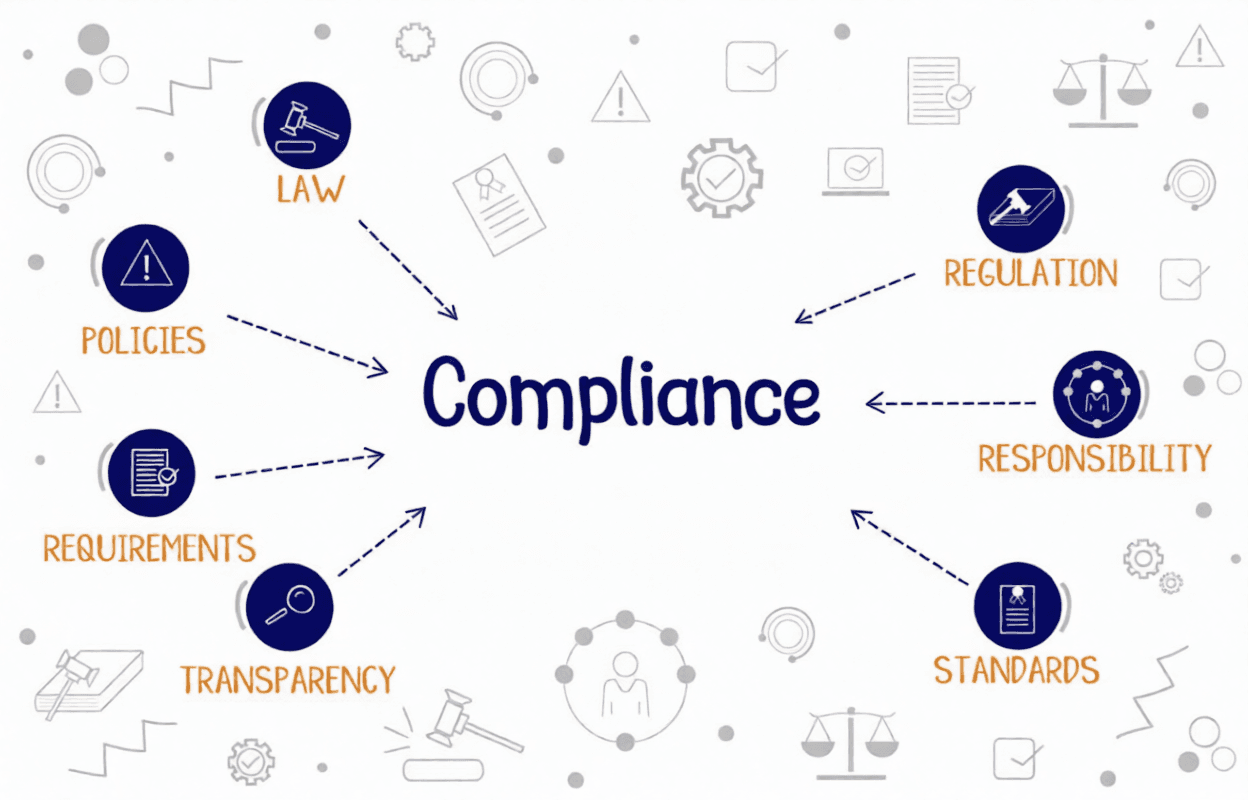
The horizon for UK fleet operations is rapidly approaching 2026, bringing with it a wave of updated compliance requirements. For fleet managers across the country, staying ahead of these changes isn't just about avoiding penalties; it's about maintaining operational efficiency, ensuring safety, and securing a competitive edge. The transport sector is dynamic, and the regulatory environment is constantly evolving, driven by commitments to environmental sustainability, road safety, and fair working practices. As we look towards 2026, fleet operators face a complex web of new and refined rules that will demand more sophisticated approaches to management and monitoring. This isn't merely a matter of ticking boxes; it's about embedding a culture of proactive compliance and operational excellence.
The shift towards more stringent standards presents both challenges and opportunities. Those who adapt early, by adopting cutting-edge technology, will find themselves better positioned to thrive. This article will explore the key Book A Demo of UK fleet compliance technology trends for 2026, offering practical insights into how modern solutions can help your fleet not only meet but exceed upcoming standards, ensuring a smooth transition into the future of transport. We will delve into the specific regulatory shifts, the technological innovations designed to address them, and the strategic advantages that come with a forward-thinking approach to fleet management.
Understanding the 2026 UK Compliance Landscape
The year 2026 marks a significant point for UK fleets, with several key regulatory areas seeing updates and increased scrutiny. These changes are designed to improve road safety, reduce environmental impact, and ensure fair working conditions for drivers. Understanding these shifts is the first step towards developing a robust compliance strategy. The overarching theme for Book A Demo of transport operator regulations UK 2026 is a move towards greater transparency, accountability, and the adoption of advanced technology to achieve these goals.
Emissions Standards: The Road to Net Zero
One of the most significant drivers of change in the UK transport sector is the ongoing commitment to reducing carbon emissions and improving air quality. By 2026, we expect to see further tightening of emissions standards, building upon existing frameworks like the Ultra Low Emission Zones (ULEZ) and Clean Air Zones (CAZ) that are expanding across major cities. While a direct 'Euro 7' equivalent for heavy-duty vehicles might still be under discussion at a European level, the UK's independent trajectory is clear: a push towards cleaner vehicles and fuels. This means fleet managers must consider the environmental impact of their entire operation, from vehicle procurement to daily routing.
Technological responses to these evolving emissions standards are varied and critical. Telematics systems, for instance, are no longer just about tracking vehicle location; they are becoming sophisticated tools for monitoring real-time fuel consumption and emissions output. These systems can identify inefficient driving behaviours, highlight vehicles that are underperforming environmentally, and provide data to support decisions on vehicle replacement or retrofitting. Furthermore, the transition to electric vehicles (EVs) and other alternative fuel vehicles (AFVs) will accelerate. Fleets need to plan for charging infrastructure, understand battery performance, and integrate these new vehicle types seamlessly into their operations. The data collected from these advanced vehicles will be crucial for demonstrating compliance and optimising their environmental footprint.
Driver Hours and Working Time Directive: Enhanced Monitoring
Compliance with driver hours regulations and the Working Time Directive remains a cornerstone of road safety. By 2026, the emphasis will be on more accurate, real-time data collection and analysis to prevent driver fatigue and ensure adherence to legal limits. The introduction of 'smart tachographs' (specifically, the second version of the smart tachograph, or 'Smart Tachograph 2') is a game-changer here. These devices offer enhanced security features, more precise positioning data, and improved remote interrogation capabilities. For fleet managers, this means a greater need for sophisticated Book A Demo of digital tachograph compliance solutions.
These solutions go beyond simple data downloads. They involve automated analysis of driver activity, flagging potential infringements before they occur, and providing insights into driver behaviour patterns. Remote download capabilities, which allow tachograph data to be retrieved without the vehicle needing to return to the depot, will become standard practice, streamlining operations and reducing administrative burden. Furthermore, integration with other fleet management systems can provide a holistic view of driver performance, linking hours worked with driving style, rest periods, and even wellness indicators. This proactive approach not only ensures compliance but also contributes significantly to driver welfare and retention, which are increasingly important in a competitive industry.
Vehicle Safety and Roadworthiness: Proactive Measures
Road safety is a constant priority, and 2026 will likely see an increased focus on vehicle safety technologies and proactive maintenance. While the UK has left the EU, many safety standards continue to align or draw inspiration from European regulations, such as the General Safety Regulation (GSR) which mandates advanced driver-assistance systems (ADAS) in new vehicles. This means fleets will increasingly operate vehicles equipped with features like autonomous emergency braking, lane-keeping assistance, and intelligent speed assistance.
For fleet managers, this translates into a need for systems that can monitor the performance and calibration of these safety features. Predictive maintenance technologies, driven by vehicle telematics and onboard diagnostics, will become even more critical. Instead of reactive repairs, fleets will move towards anticipating component failures, scheduling maintenance proactively, and reducing unexpected downtime. Remote diagnostics, which allow technicians to assess vehicle health from a distance, will also play a larger role, enabling faster fault identification and more efficient workshop scheduling. The data generated by these connected vehicles provides a rich source of information for identifying safety risks, improving driver training, and demonstrating a commitment to roadworthiness during DVSA checks and audits.
Data Reporting and GDPR: The Information Imperative
The volume of data generated by modern fleets is immense, covering everything from vehicle performance and driver behaviour to route efficiency and maintenance schedules. By 2026, the regulatory environment around data reporting and privacy, particularly under GDPR, will continue to demand meticulous attention. Fleet managers will face increased scrutiny regarding how they collect, store, process, and report this data, especially when it pertains to individuals (drivers).
Compliance here means having robust, secure, and auditable data management systems. Integrated fleet management platforms that centralise data from various sources – telematics, tachographs, fuel cards, maintenance records – are essential. These systems must offer clear audit trails, ensure data integrity, and provide tools for generating comprehensive reports for regulatory bodies. Furthermore, understanding and adhering to data retention policies and ensuring the privacy of driver data are paramount. The ability to quickly and accurately produce compliance reports will not only save time during audits but also provide valuable insights for operational improvements. This data-driven approach is fundamental to navigating the complex landscape of Book A Demo of transport operator regulations UK 2026.
The Rise of AI and Predictive Analytics in Fleet Operations
Beyond simply meeting compliance, the future of UK fleet management is deeply intertwined with advanced technologies like Artificial Intelligence (AI) and predictive analytics. These tools are transforming how fleets operate, moving from reactive management to proactive, data-driven decision-making. The integration of Book A Demo of AI in fleet management UK is no longer a futuristic concept; it's a present-day reality offering significant competitive advantages.
Optimising Routes and Fuel Efficiency
AI-powered route optimisation algorithms are far more sophisticated than traditional GPS systems. They consider a multitude of variables in real-time: traffic conditions, weather forecasts, road closures, delivery schedules, driver availability, vehicle capacity, and even historical data on typical delays. By continuously processing this information, AI can suggest the most efficient routes, minimising mileage, reducing fuel consumption, and cutting down on journey times. This directly contributes to emissions compliance and operational cost savings. Furthermore, AI can dynamically re-route vehicles in response to unforeseen events, ensuring deliveries remain on schedule and customer satisfaction stays high.
Predictive Maintenance and Downtime Reduction
One of the most impactful applications of AI in fleet management is predictive maintenance. Instead of relying on fixed service schedules or waiting for a breakdown to occur, AI algorithms analyse data from vehicle sensors (engine performance, tyre pressure, brake wear, fluid levels, etc.) to predict when a component is likely to fail. This allows fleet managers to schedule maintenance proactively, during planned downtime, rather than experiencing costly and disruptive unexpected breakdowns. This not only extends the lifespan of vehicles and reduces repair costs but also significantly improves vehicle availability and safety, directly supporting roadworthiness compliance.
Driver Behaviour Monitoring and Training
AI is also revolutionising driver behaviour monitoring. Telematics systems, combined with AI, can analyse driving patterns – harsh braking, rapid acceleration, excessive idling, speeding – and identify risky behaviours. Instead of simply reporting these incidents, AI can provide personalised feedback and suggest targeted training modules. This data can be used to create bespoke coaching programmes, improving driver safety, reducing accident rates, and promoting more fuel-efficient driving styles. This proactive approach to driver management is a key component of a modern, compliant, and efficient fleet operation.
Integrating AI for Strategic Decisions
Ultimately, the true power of Book A Demo of AI in fleet management UK lies in its ability to process vast amounts of data from disparate sources and provide actionable insights for strategic decision-making. AI can identify trends in operational costs, predict future demand, optimise vehicle allocation, and even assist in procurement decisions by analysing vehicle performance data. This allows fleet managers to move beyond day-to-day tactical operations and focus on long-term strategic planning, ensuring the fleet remains agile, competitive, and fully compliant with evolving Book A Demo of transport operator regulations UK 2026.
Telematics and Integrated Fleet Management Systems: The Central Hub
At the heart of future-proofing UK fleets for 2026 compliance and beyond lies the sophisticated integration of telematics and comprehensive fleet management systems. These platforms are no longer just about tracking; they are the central nervous system of a modern fleet, aggregating data, automating processes, and providing the visibility needed to make informed decisions and ensure compliance.
Real-time Visibility and Control
Modern telematics systems offer unparalleled real-time visibility into every aspect of fleet operations. Fleet managers can monitor vehicle locations, speeds, engine diagnostics, fuel levels, and even cargo temperatures instantly. This real-time data is invaluable for operational efficiency, allowing for dynamic adjustments to routes, immediate response to incidents, and accurate estimated times of arrival (ETAs) for customers. Beyond location, advanced telematics can monitor driver behaviour, providing immediate alerts for speeding or harsh driving, which are critical for safety and insurance purposes. This level of control ensures that vehicles are being operated safely and efficiently at all times.
Automating Compliance Workflows
One of the most significant benefits of integrated fleet management systems is their ability to automate complex compliance workflows. For instance, these systems can automatically download data from Book A Demo of digital tachograph compliance solutions, analyse driver hours against regulations, and flag potential infringements. They can also manage vehicle maintenance schedules, sending automated reminders for MOTs, services, and safety checks, ensuring vehicles remain roadworthy. By automating these tasks, fleet managers reduce the risk of human error, save considerable administrative time, and ensure that all regulatory requirements are consistently met. This automation is a cornerstone for navigating the intricate Book A Demo of transport operator regulations UK 2026.
Data Aggregation and Reporting
The true power of an integrated system comes from its ability to aggregate data from various sources – telematics, tachographs, fuel cards, maintenance software, and even HR systems. This centralised data repository allows for comprehensive reporting and analysis. Fleet managers can generate detailed reports on fuel efficiency, driver performance, emissions, maintenance costs, and compliance status with ease. These reports are not only essential for demonstrating compliance during audits but also provide invaluable insights for identifying areas for improvement, optimising resource allocation, and making strategic business decisions. The ability to present clear, accurate, and auditable data is a non-negotiable requirement for future fleet operations.
Embracing Electric and Alternative Fuel Vehicles: A Compliance and Efficiency Imperative
The transition to electric vehicles (EVs) and other alternative fuel vehicles (AFVs) is no longer a distant prospect but a present-day imperative for UK fleets. Driven by environmental targets, evolving emissions regulations, and the increasing operational costs of traditional internal combustion engine (ICE) vehicles, this shift is a critical component of future-proofing operations for 2026 and beyond. Embracing these technologies is not just about compliance; it's about securing long-term operational efficiency and public perception.
Infrastructure Challenges and Solutions
One of the primary challenges for fleets adopting EVs is the charging infrastructure. Unlike refuelling a diesel vehicle, charging an EV requires careful planning, especially for larger fleets with multiple vehicles needing simultaneous charging. Fleet managers must assess their depot's electrical capacity, consider installing fast chargers, and explore smart charging solutions that can optimise energy consumption and costs by charging during off-peak hours. Public charging networks are expanding, but for commercial operations, dedicated depot infrastructure is often essential. Partnerships with energy providers and specialist charging infrastructure companies will become increasingly common to overcome these hurdles.
Range Anxiety and Route Planning
Range anxiety – the fear of running out of charge – is a common concern, particularly for long-haul or multi-drop operations. However, advancements in battery technology are continuously increasing EV ranges, and sophisticated Book A Demo of AI in fleet management UK can mitigate this concern. AI-powered route planning tools can factor in vehicle range, charging point locations, and even elevation changes to create optimal routes that include necessary charging stops. These systems can also monitor real-time battery levels and suggest alternative charging points if unexpected delays occur. This intelligent planning ensures that EVs can be deployed effectively without compromising delivery schedules or operational reliability.
Government Incentives and Support
The UK government continues to offer various incentives and support mechanisms to encourage the adoption of cleaner vehicles. These can include grants for purchasing low-emission vehicles, tax benefits, and funding for charging infrastructure. Fleet managers must stay informed about these schemes, as they can significantly reduce the initial capital outlay associated with transitioning to EVs and AFVs. Furthermore, the long-term operational savings from lower fuel costs (electricity is generally cheaper than diesel) and reduced maintenance requirements (EVs have fewer moving parts) make a compelling business case for this transition, aligning perfectly with the spirit of Book A Demo of transport operator regulations UK 2026.
Cybersecurity in Fleet Operations: Protecting Sensitive Data
As UK fleets become increasingly connected and reliant on digital technologies for compliance, efficiency, and safety, the importance of cybersecurity cannot be overstated. The vast amounts of data generated and transmitted – from vehicle telematics and driver information to operational logistics – represent a valuable target for cyber threats. Protecting this sensitive information is not just a technical challenge; it's a fundamental aspect of maintaining operational integrity and regulatory compliance.
Threat Landscape for Connected Vehicles
Connected vehicles, while offering immense benefits, also introduce new vulnerabilities. A cyber-attack could potentially compromise vehicle systems, disrupt operations, steal sensitive data, or even manipulate vehicle controls. The threat landscape includes malware, phishing attacks targeting fleet personnel, denial-of-service attacks on fleet management systems, and direct breaches of vehicle communication networks. As more vehicles become 'smart' and integrate with external systems, the attack surface expands, demanding a proactive and multi-layered security approach.
Best Practices for Data Protection
Implementing robust cybersecurity measures is essential. This begins with securing all endpoints – vehicles, mobile devices, and office networks – with strong firewalls, antivirus software, and regular security updates. Data encryption, both in transit and at rest, is paramount for protecting sensitive information. Access controls should be strictly managed, ensuring that only authorised personnel can access specific data sets or system functions. Regular security audits and penetration testing can help identify and address vulnerabilities before they can be exploited. Furthermore, employee training on cybersecurity best practices, such as recognising phishing attempts and using strong passwords, is a critical defence layer.
Supplier Vetting and System Security
Fleet managers often rely on a range of third-party technology providers for telematics, Book A Demo of digital tachograph compliance solutions, and other fleet management tools. It is crucial to thoroughly vet these suppliers for their cybersecurity credentials and ensure their systems meet stringent security standards. Service Level Agreements (SLAs) should include clear provisions for data protection and incident response. Integrating various systems also requires secure APIs and data exchange protocols to prevent vulnerabilities at integration points. A holistic approach to cybersecurity, encompassing people, processes, and technology, is vital for safeguarding fleet operations and ensuring compliance with data protection regulations like GDPR, especially as Book A Demo of AI in fleet management UK becomes more prevalent and data-intensive.
FAQs
What are the primary regulatory changes expected by 2026 for UK fleets?
Key changes are anticipated in emissions standards (further tightening of ULEZ/CAZ, potential new vehicle standards), enhanced driver hours monitoring (Smart Tachograph 2), increased focus on vehicle safety technologies (ADAS), and more stringent data reporting and privacy requirements under GDPR. The overall direction is towards greater environmental responsibility, road safety, and data transparency.
How can AI specifically help with UK fleet compliance?
AI can assist with compliance by optimising routes to reduce emissions, predicting maintenance needs to ensure vehicle roadworthiness, analysing driver behaviour to prevent infringements of driver hours and improve safety, and processing vast amounts of data for accurate regulatory reporting. It moves fleets from reactive to proactive compliance management.
What are 'digital tachograph compliance solutions' and why are they important for 2026?
Digital tachograph compliance solutions refer to systems and software that automate the download, analysis, and archiving of data from digital tachographs. For 2026, with the rollout of Smart Tachograph 2, these solutions are crucial for handling enhanced data, ensuring accurate driver hours monitoring, preventing infringements, and streamlining remote data downloads, all of which are vital for adhering to driver working time regulations.
What steps should a fleet manager take now to prepare for 2026 compliance?
Fleet managers should conduct a thorough review of their current compliance processes, invest in modern telematics and integrated fleet management systems, explore the adoption of cleaner vehicles (EVs/AFVs), assess their cybersecurity posture, and ensure their team is trained on upcoming regulatory changes and new technologies. Engaging with technology providers for demonstrations and consultations is also a practical first step.
Further Reading
The Future of Urban Logistics: Adapting to Emissions Zones and Last-Mile Delivery Challenges
Understanding the Impact of Connected and Autonomous Vehicles on Fleet Insurance and Liability
Strategies for Driver Recruitment and Retention in a Technologically Evolving Transport Sector
The Role of Data Governance and Ethics in Modern Fleet Management
Exploring Hydrogen Fuel Cell Technology as an Alternative for Heavy Goods Vehicles
Conclusion
The journey towards 2026 for UK fleets is one of significant transformation, driven by evolving regulatory demands and the rapid advancement of technology. From stringent emissions targets and enhanced driver hour monitoring to the imperative of vehicle safety and meticulous data reporting, the compliance landscape is becoming more intricate than ever before. However, this complexity also presents a clear path for forward-thinking fleet managers to not only meet these challenges but to redefine operational excellence.
Embracing the Book A Demo of UK fleet compliance technology trends 2026 is not an option; it's a necessity for survival and growth. Integrated telematics systems, sophisticated Book A Demo of AI in fleet management UK, and advanced Book A Demo of digital tachograph compliance solutions are no longer mere conveniences; they are the foundational tools that will enable fleets to navigate the complexities of Book A Demo of transport operator regulations UK 2026. These technologies offer the real-time visibility, automation, and predictive capabilities needed to optimise routes, reduce emissions, ensure driver welfare, maintain vehicle roadworthiness, and safeguard sensitive data.
The fleets that proactively invest in these technological solutions will be the ones that not only avoid penalties but also gain a significant competitive edge. They will operate more efficiently, attract and retain skilled drivers, reduce their environmental footprint, and build a reputation for reliability and responsibility. The future of UK transport is connected, intelligent, and compliant. By acting now, fleet managers can ensure their operations are not just ready for 2026, but are truly future-proofed for the decades to come.